Find Lawyers, Law Firms and other Law Service Providers in your region. Or submit a provider to our directory.
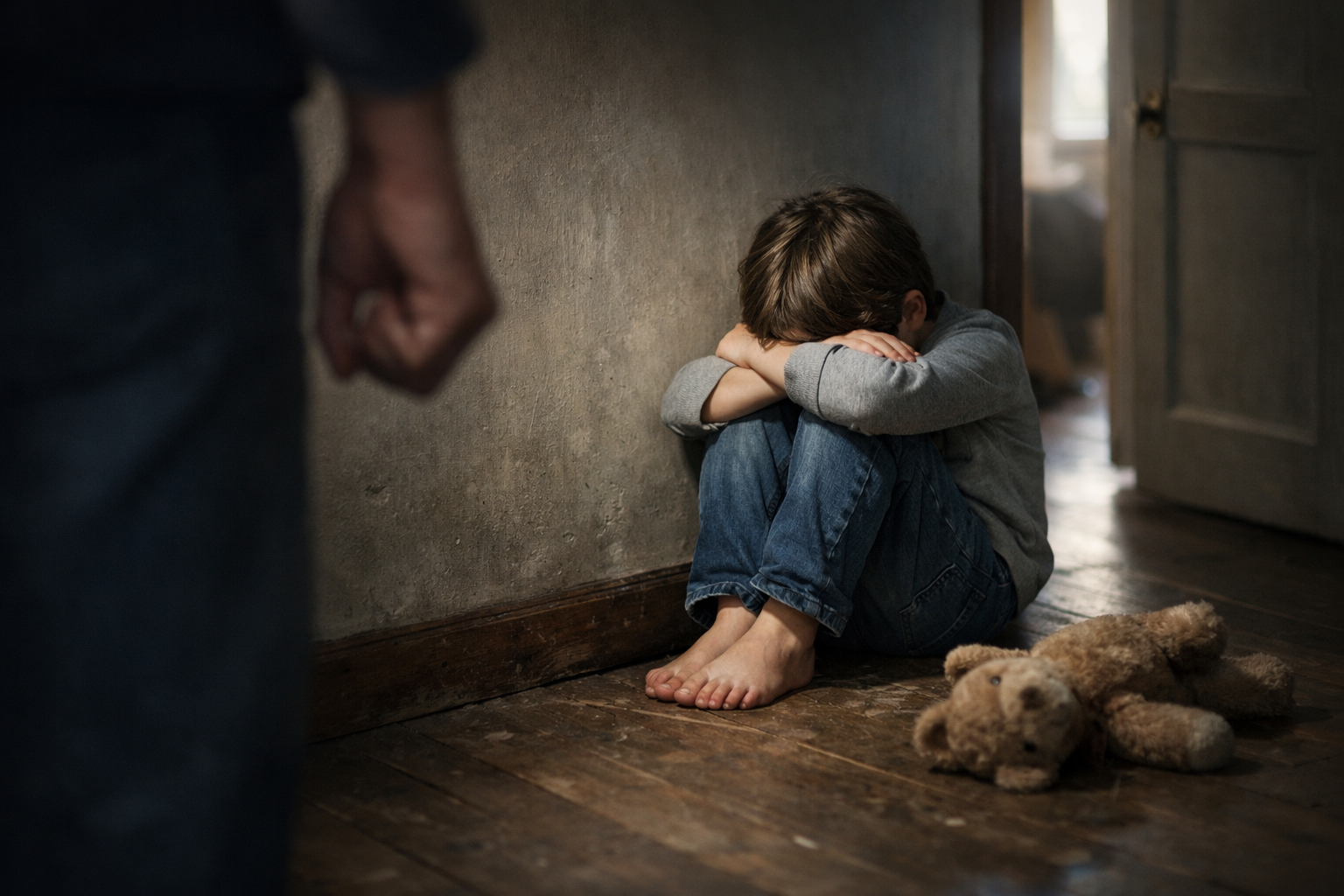
Child abuse refers to acts of violence, exploitation, or neglect by a caregiver or another person in a position of power that result in harm, potential harm, or threat of harm to a child. It can occur in any community and often involves a pattern of control, secrecy, and intimidation that makes it difficult for children to disclose what is happening. Abuse is not only an immediate safety issue; it can also disrupt brain development, emotional regulation, learning, and a child’s ability to form secure relationships.
Although the term “abuse” is sometimes used broadly, it is helpful to recognize that harm may range from a single severe incident to ongoing chronic maltreatment. Either way, children need safety, stability, and supportive adults who take concerns seriously.
Child maltreatment is generally grouped into several categories. These types can overlap, and a child may experience more than one at the same time.
Physical abuse involves intentional use of force that causes injury or has a high risk of injury. It may include hitting, shaking, choking, burning, or otherwise harming a child. Injuries can vary from bruises and fractures to internal injuries and head trauma.
Emotional abuse is a persistent pattern of behavior that damages a child’s sense of self-worth or emotional security. Examples include humiliation, threats, constant criticism, rejection, isolation, and exposing a child to severe domestic conflict. Because emotional abuse may not leave visible marks, it can be harder to identify, yet its effects can be profound.
Sexual abuse includes any sexual activity with a child, including contact (such as molestation) and non-contact acts (such as exposing a child to sexual content or behavior). Exploitation may involve grooming, coercion, trafficking, or using a child in the production or distribution of sexual images. Offenders are often known to the child, and grooming may involve building trust, giving gifts, or manipulating boundaries over time.
Neglect is the failure to meet a child’s basic needs. It can be physical (lack of food, clothing, safe shelter), medical (not providing necessary healthcare), educational (not ensuring access to schooling), or emotional (lack of affection, attention, or supervision). Neglect may result from many factors, including caregiver stress, untreated mental illness, substance use, or poverty—yet the outcome is still that a child’s needs are not met.
There is no single sign that confirms abuse, and children may react in many different ways. However, certain patterns can raise concern, especially when they appear suddenly or intensify over time.
Abuse can affect children’s bodies and minds in ways that continue into adulthood. Some children may show immediate stress responses—sleep disturbances, nightmares, appetite changes, headaches, or stomach pain. Over time, chronic stress can alter how the brain processes threat and emotion, which may contribute to anxiety, depression, post-traumatic stress symptoms, substance use, and difficulties with learning and relationships.
It is also important to note that children can heal. Protective factors—such as at least one stable, caring adult; safe routines; access to trauma-informed therapy; and supportive school environments—can significantly improve outcomes.
Many adults hesitate because they worry about being wrong or making things worse. A safer approach is to focus on the child’s immediate safety and to involve appropriate professionals rather than investigating on your own.
Prevention is strongest when it reduces stress on families and increases support for caregivers and children. Effective strategies often involve multiple layers of protection.
Confronting child abuse requires both compassion and clarity. Compassion means supporting children without blaming them, and recognizing that overwhelmed families may need resources. Clarity means keeping children’s safety as the priority and holding perpetrators accountable. When communities take concerns seriously and respond with coordinated, trauma-informed care, children are more likely to be protected—and to recover.