Find Lawyers, Law Firms and other Law Service Providers in your region. Or submit a provider to our directory.
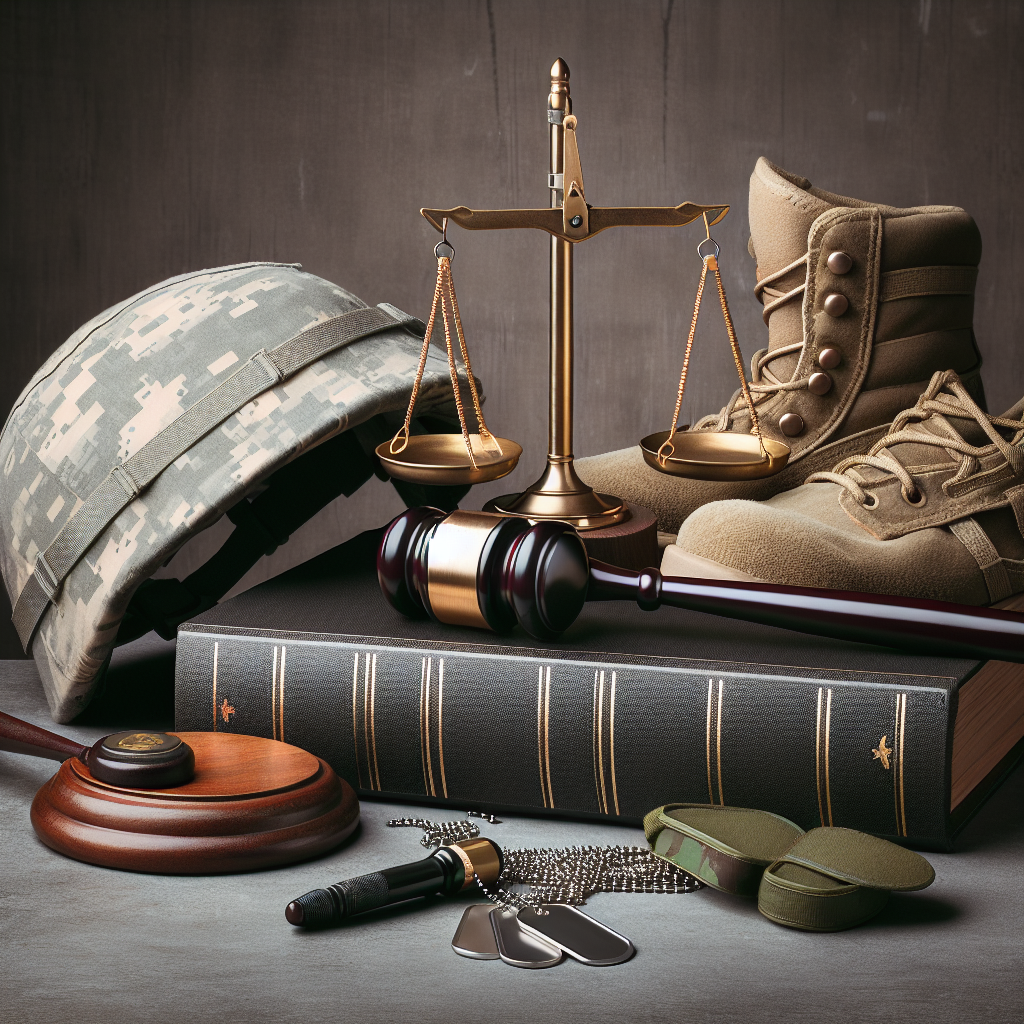
Military law is a specialized legal system that governs the conduct of service members and, in certain circumstances, other individuals connected to the armed forces. It exists to maintain discipline, readiness, and good order—needs that are more immediate and operationally sensitive than in civilian life. While it shares many values with civilian criminal justice, military law is distinct in its mission, procedures, and the types of offenses it addresses.
In many countries, military justice is built around a central code, regulations, and a court structure that can operate worldwide. Service members can be subject to military jurisdiction on duty, off duty, at home stations, or deployed, reflecting the reality that the military must function continuously and often under extraordinary conditions.
The military’s ability to carry out lawful missions depends on immediate obedience to orders, unit cohesion, and operational security. Civilian legal processes, while robust, can be too slow or ill-suited for the pace and risks of military operations. Military law is designed to address:
At the same time, modern military justice systems are expected to provide meaningful due process—balancing the need for swift accountability with fair procedures and protections.
Military law typically comes from several interlocking sources. The exact names vary by nation, but the structure is broadly comparable:
These sources work together to regulate conduct in garrison and in combat environments, where legal questions can involve not just individual behavior but also targeting decisions, detainee handling, and rules for the use of force.
Military jurisdiction usually applies to active-duty service members and may also include reservists when activated, cadets at military academies, and certain civilians accompanying the force in specific settings. Jurisdiction rules determine when the military can prosecute an offense and when civilian authorities are responsible.
Some acts that are crimes in civilian life—assault, theft, fraud—are also crimes under military law. But military law also addresses uniquely military offenses, such as:
Because the military is a hierarchical organization, some behaviors that might be handled informally in civilian workplaces can carry significant legal consequences when they undermine authority, morale, or operational effectiveness.
Military justice typically offers multiple pathways for addressing misconduct, allowing commanders to respond proportionally while still protecting rights. Common tracks include:
Not all misconduct leads to a criminal case. Administrative measures can include counseling, reprimands, loss of privileges, reclassification, separation proceedings, or other career-impacting actions. These processes often have their own evidentiary standards and appeal mechanisms.
Many systems allow commanders to impose limited penalties for minor offenses without a full criminal trial. While procedures vary, service members often have rights to notice of allegations, an opportunity to respond, and sometimes the ability to demand trial in a formal court setting, depending on the forum and jurisdiction.
For more serious allegations, a formal military trial may be convened. These courts typically have rules for evidence, witnesses, and legal representation. Depending on the severity, they may range from streamlined proceedings to full trials capable of imposing significant confinement and punitive discharge or dismissal.
Appellate review is a key safeguard. Higher military courts (and, in some countries, civilian courts) may review convictions for legal error, sufficiency of evidence, and sentencing appropriateness.
Service members generally retain fundamental rights, but the military environment shapes how those rights are applied. Due process protections in military systems commonly include:
One of the most debated issues in military law is balancing command involvement with judicial independence. Commanders have responsibility for discipline, but modern reforms in many jurisdictions aim to ensure investigatory integrity, victim protection, and fairness for the accused.
Military law is not limited to prosecutions. It also governs a range of matters that shape a service member’s professional life:
Because careers can be affected by both judicial and administrative outcomes, legal advice is often critical even when conduct does not result in a criminal charge.
Military law is sometimes portrayed as either exceptionally harsh or overly lenient. In reality, it is a structured system with formal procedures and checks. Three frequent misunderstandings are worth clarifying:
Military law exists to support a force that must remain disciplined, deployable, and ethically grounded under pressure. It addresses unique offenses and operational demands while incorporating due process and judicial review. For service members, leaders, and families, understanding the basics—jurisdiction, procedures, rights, and the difference between administrative and criminal outcomes—can demystify a system that plays a major role in both military effectiveness and individual lives.