Find Lawyers, Law Firms and other Law Service Providers in your region. Or submit a provider to our directory.
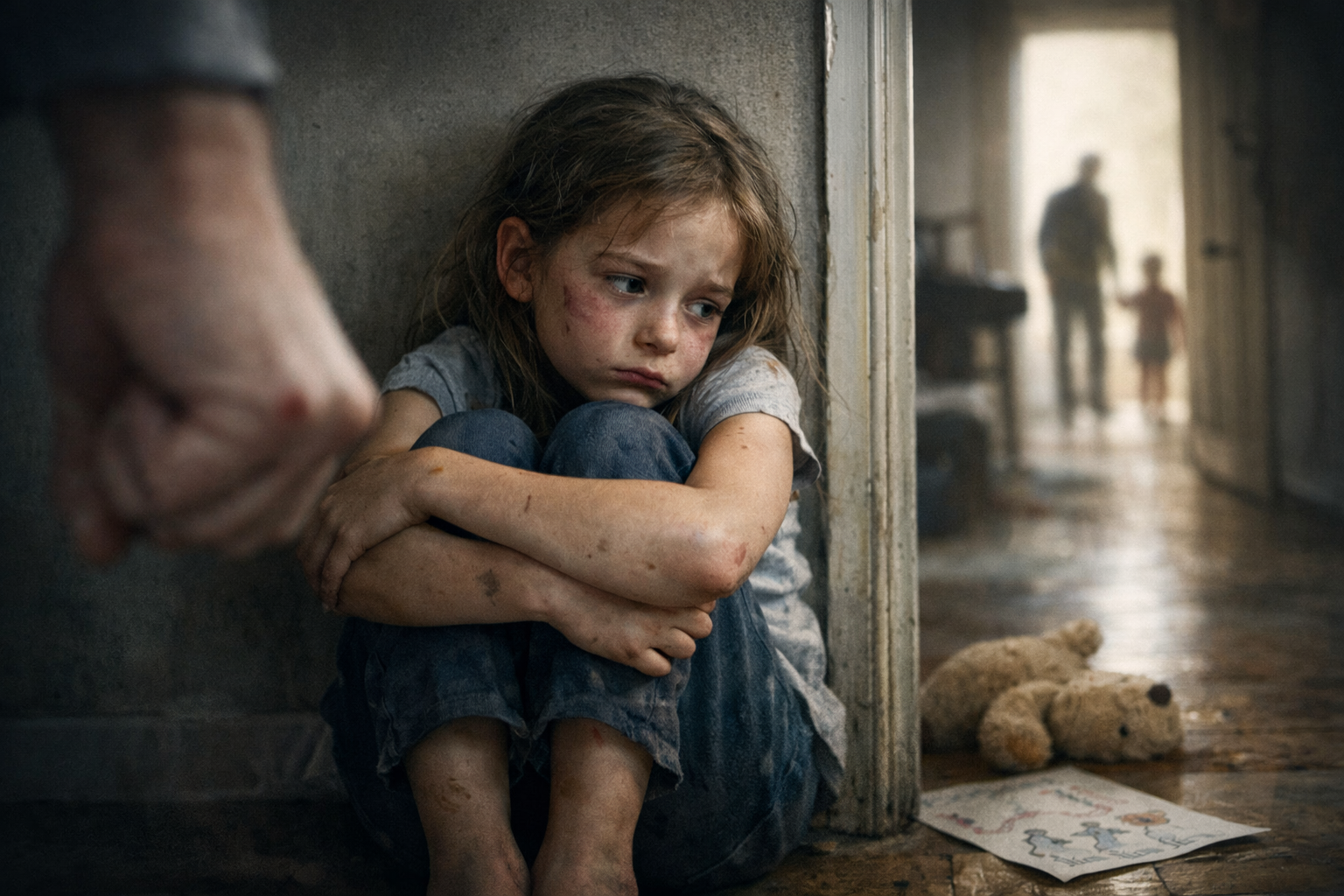
Child abuse refers to acts of harm or neglect by a caregiver, trusted adult, or another person in a position of power that result in, or create a strong risk of, physical injury, emotional harm, sexual exploitation, or deprivation of basic needs. Abuse can happen in any community, across all income levels, cultures, and family structures. It often thrives in silence: children may fear consequences, worry they will not be believed, or feel loyalty to the person harming them.
The effects of abuse can extend far beyond childhood. Some children experience ongoing difficulties with learning, relationships, physical health, self-esteem, and mental well-being. Early recognition and supportive intervention can reduce harm, strengthen safety, and support long-term recovery.
Physical abuse involves intentionally causing physical injury or using excessive force. This may include hitting, shaking, burning, choking, or any action that harms a child’s body. It can also include forcing a child to participate in dangerous activities or withholding necessary medical care as a form of punishment.
Emotional abuse is a pattern of behavior that damages a child’s sense of worth, safety, or belonging. It can include constant criticism, humiliation, threats, intimidation, rejection, isolation, or exposing a child to severe domestic conflict. Because it may not leave visible marks, emotional abuse is sometimes minimized—yet it can be profoundly damaging.
Sexual abuse includes any sexual activity with a child, including contact (such as assault) and non-contact abuse (such as exposing a child to sexual content, voyeurism, or grooming). Exploitation can involve trafficking, coercion into sexual acts, or creating/sharing sexual images of a child. Grooming often includes building trust, manipulating boundaries, and using secrecy or threats to maintain control.
Neglect is the ongoing failure to meet a child’s basic physical and emotional needs. It may involve inadequate food, shelter, supervision, hygiene, healthcare, or education. Emotional neglect can include persistent lack of affection, responsiveness, or protection. Neglect can be intentional or tied to caregiver challenges such as substance use, mental illness, poverty, or lack of support—regardless of cause, it can seriously endanger a child.
No single sign proves abuse, and some children show few outward indicators. However, patterns of concerning physical, emotional, and behavioral changes can be important signals.
Abuse is never the child’s fault. While risk factors can increase vulnerability, they do not cause abuse on their own. Many families under stress do not abuse their children, especially when they have strong support and resources.
When a child may be in danger, taking action can feel intimidating, but delays can prolong harm. If you suspect abuse, focus on safety and professional support rather than investigating yourself.
A child disclosing abuse is taking a significant risk. Your response can influence whether they continue seeking help.
Recovery looks different for every child. With safety, consistent support, and evidence-based care, many children build resilience and lead healthy lives. Helpful supports can include trauma-informed counseling, family therapy when appropriate and safe, stable school environments, and trusted adult mentors. The goal is not only to stop harm, but also to restore a sense of control, safety, and self-worth.
Communities also play a role: training for educators and youth-serving organizations, accessible mental health services, strong social safety nets, and policies that prioritize child protection. Preventing child abuse is not solely a family responsibility—it is a shared societal commitment to ensuring children are safe, heard, and protected.