Find Lawyers, Law Firms and other Law Service Providers in your region. Or submit a provider to our directory.
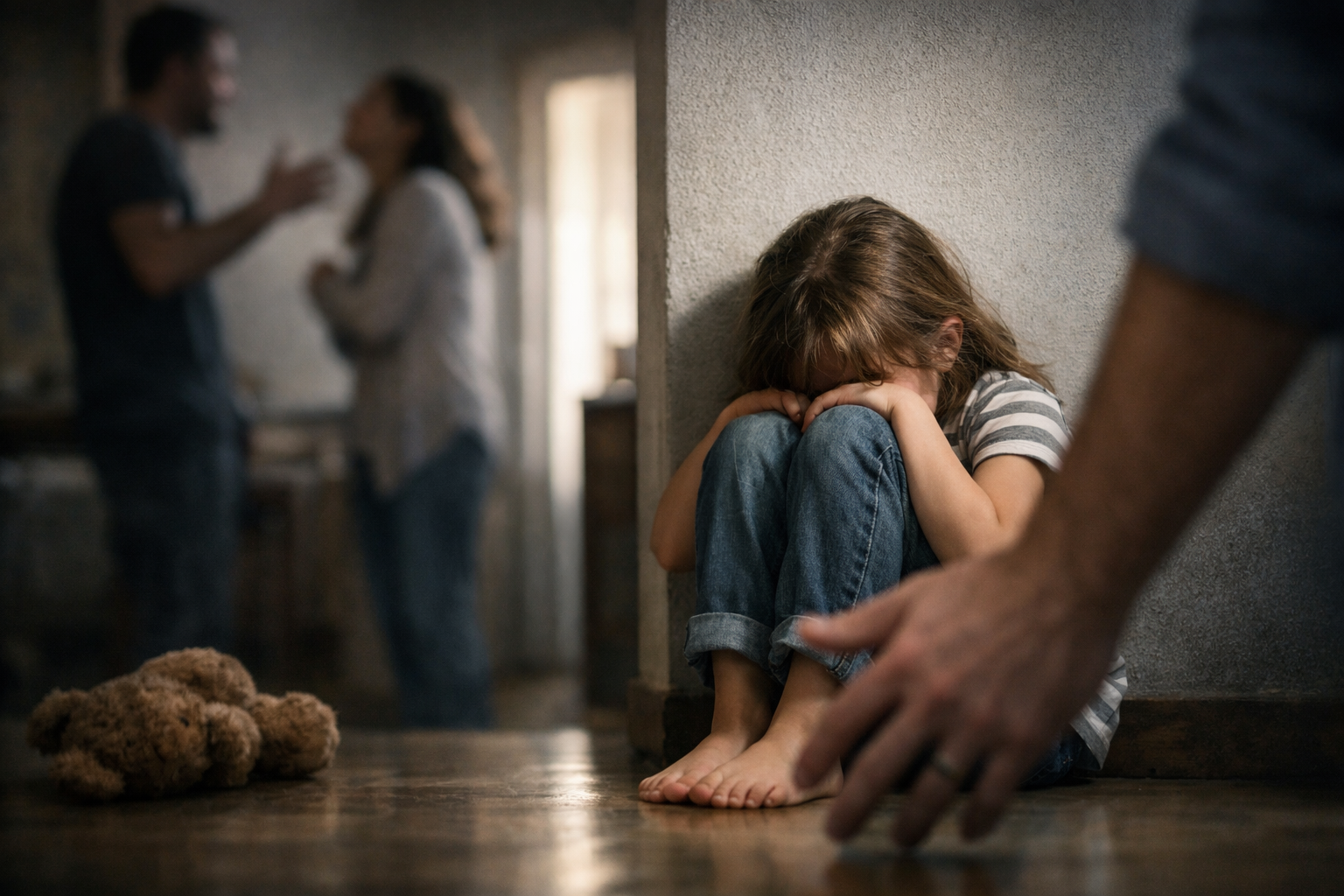
Child abuse refers to acts of commission or omission by a parent, caregiver, or another person in a position of power that result in harm, potential harm, or threat of harm to a child. Abuse can occur in any community, income level, and cultural setting. It is often hidden, may escalate over time, and frequently co-exists with other stressors such as domestic violence, substance misuse, or severe caregiver burnout.
Because children depend on adults for safety and basic needs, abuse is not only about visible injuries. It can include patterns of intimidation, neglect, exploitation, or inappropriate sexual behavior that undermine a child’s development and sense of security.
Physical abuse involves intentionally using physical force against a child that results in, or has a high likelihood of resulting in, injury. This can include hitting, shaking, burning, choking, or any violent restraint. Injuries may range from bruises to fractures or internal harm. In infants and young children, violent shaking can be particularly dangerous and may cause severe brain injury.
Emotional abuse is a persistent pattern of behavior that damages a child’s self-worth or emotional well-being. It may involve humiliation, threats, constant criticism, rejection, isolation, or exposing a child to chronic conflict or terror. Emotional abuse can be harder to identify than physical harm, but its effects on learning, relationships, and mental health can be profound.
Sexual abuse includes any sexual activity with a child, including contact and non-contact acts. This may involve molestation, rape, coercion, exploitation, exposure to sexual content, or using a child to produce sexual images. Sexual abuse is often perpetrated by someone the child knows and trusts, which can make disclosure difficult and delayed.
Neglect is the failure to meet a child’s basic needs. It can be physical (food, shelter, supervision), medical (needed healthcare), educational (enrolling in school or addressing special needs), or emotional (providing affection, attention, and stable caregiving). Neglect is common and may stem from poverty, lack of access to services, caregiver mental health issues, or substance dependence—yet the harm to the child can still be severe.
Child exploitation includes forcing or enticing children into labor, criminal activity, or commercial sexual exploitation. Trafficking may involve manipulation, threats, or dependence rather than physical restraint. Online spaces can also be used to groom children and coerce them into sharing sexual content or meeting in person.
No single sign proves abuse, and some children show few outward indicators. Patterns, changes over time, and mismatches between explanations and injuries are important to note.
Abuse is never the child’s fault. Understanding risk factors helps communities prevent harm, but it does not excuse abusive behavior. Factors that can raise risk include caregiver stress, a history of being abused, mental illness, substance misuse, isolation, domestic violence, and lack of knowledge about child development. Structural factors—such as poverty, unstable housing, limited childcare, and inadequate access to healthcare—can compound caregiver strain and reduce protective supports.
Importantly, many families experiencing these stressors do not abuse their children. Protective factors like supportive relationships, access to services, safe housing, and positive coping skills can significantly reduce risk.
Child abuse can affect the body and brain during crucial developmental periods. Some children develop short-term injuries or acute trauma responses, while others experience long-term effects that may surface later.
With early intervention, trauma-informed care, and stable supportive relationships, many children recover and thrive. Healing is possible, especially when adults believe children, respond calmly, and prioritize safety.
If you suspect a child is being harmed, focus on safety rather than “proving” abuse yourself. Avoid confronting the suspected abuser directly in ways that could increase risk to the child. If a child discloses abuse, listen without shock, thank them for telling you, reassure them it is not their fault, and seek professional help immediately.
Many regions require certain professionals to report suspected abuse. Follow your organization’s policies and local reporting laws, and use a trauma-informed approach: maintain calm, avoid repeated questioning, and ensure the child is connected to appropriate safeguarding pathways.
Preventing child abuse is not only about identifying danger—it is about strengthening families and systems before harm occurs.
Child abuse thrives in secrecy and confusion. Clear information, attentive adults, and responsive systems can interrupt harm and support recovery. When communities treat child safety as a shared responsibility—believing children, acting early, and strengthening families—prevention becomes possible and protection becomes real.