Find Lawyers, Law Firms and other Law Service Providers in your region. Or submit a provider to our directory.
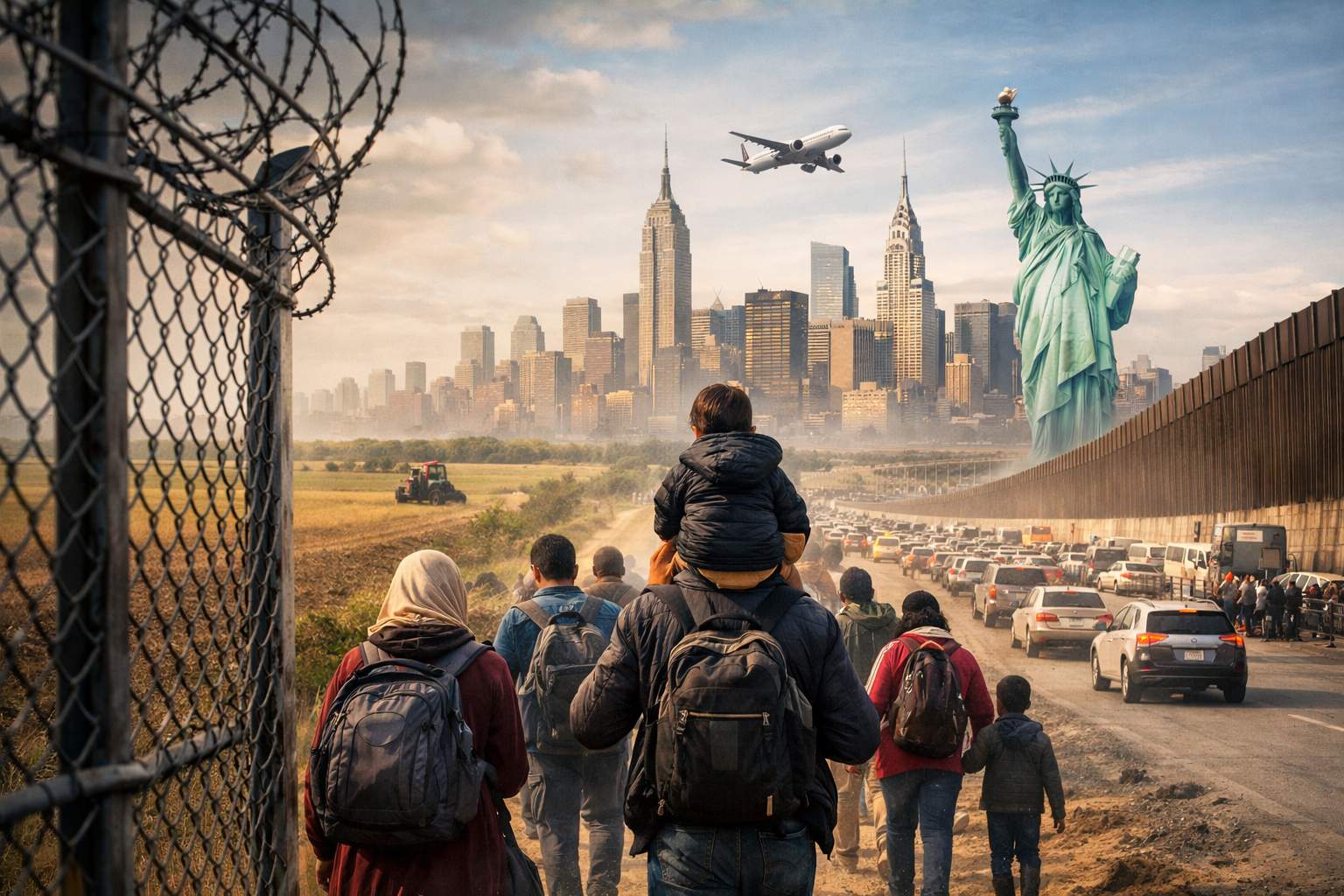
Immigration is the movement of people into a country where they are not citizens or nationals, usually with the intention of living there for a significant period of time. It can be temporary (such as study or seasonal work) or long-term (such as permanent residency and eventual citizenship). While the topic often becomes politically charged, immigration is fundamentally about people responding to opportunity, risk, and connection—building lives across borders in ways that influence both the places they leave and the places they join.
At its best, immigration can expand a country’s workforce, support innovation, and enrich cultural life. At its most difficult, it can expose gaps in housing, labor enforcement, and integration systems. Understanding immigration requires looking beyond headlines to the underlying drivers, legal pathways, and on-the-ground realities.
Most immigration is multi-causal: economic pressures mix with family ties, safety concerns, and long-term aspirations. Common drivers include:
These forces interact with global inequality and demographic trends. Countries with aging populations often need workers; countries with young and growing populations may have more job-seekers than available opportunities. Migration is one way the world balances these mismatches, though not always smoothly.
Immigration systems vary widely, but many countries organize entry and residence through a set of broad pathways. Each pathway comes with eligibility rules, documentation requirements, and enforcement mechanisms.
Work visas may be designed for high-skilled sectors (technology, healthcare, engineering) or for essential and seasonal industries (agriculture, caregiving, hospitality). Some systems tie the visa to a specific employer, which can increase vulnerability to exploitation if workers fear losing status. Other models allow more mobility between employers, strengthening worker bargaining power and improving labor-market matching.
Many countries prioritize keeping families together, allowing citizens and permanent residents to sponsor close relatives. The details differ—who qualifies, how long processing takes, and what financial requirements apply—but the rationale is consistent: family support can help newcomers integrate faster and reduce social isolation.
Refugee resettlement and asylum processes address protection needs. Refugees are typically recognized outside the destination country and then resettled. Asylum seekers request protection after reaching a border or being inside the country. Because humanitarian systems can be overwhelmed during crises, delays may leave people in limbo, emphasizing the importance of fair, efficient adjudication.
International students contribute tuition revenue, research talent, and long-term skills. Some countries provide post-study work options that allow graduates to transition into employment and, eventually, permanent residence. These pathways can be mutually beneficial when paired with strong safeguards against fraud and clear expectations about rights and obligations.
Immigration’s impacts are not uniform; they depend on local labor markets, housing supply, public services, and the pace of integration. Broadly, research and experience show both benefits and pressures:
Immigration does not end at the border. Integration is the long process of building stable, independent lives—often while navigating unfamiliar systems. The most practical integration factors include:
When integration works, newcomers move from survival to stability: better jobs, stronger language skills, and deeper community ties. When it fails, informal work, insecurity, and mistrust can persist for years.
Public debates often flatten complex realities into simple claims. A few recurring misconceptions deserve careful attention:
Clear data, transparent rules, and fair enforcement help prevent fear-based narratives from dominating policy.
There is no one-size-fits-all model, but many effective approaches share a few principles:
Immigration is not merely a question of who crosses a border; it is a test of how societies manage change. When rules are clear, institutions are funded, and dignity is protected, immigration can be a long-term advantage—economically, culturally, and demographically—for both newcomers and the communities that receive them.