Find Lawyers, Law Firms and other Law Service Providers in your region. Or submit a provider to our directory.
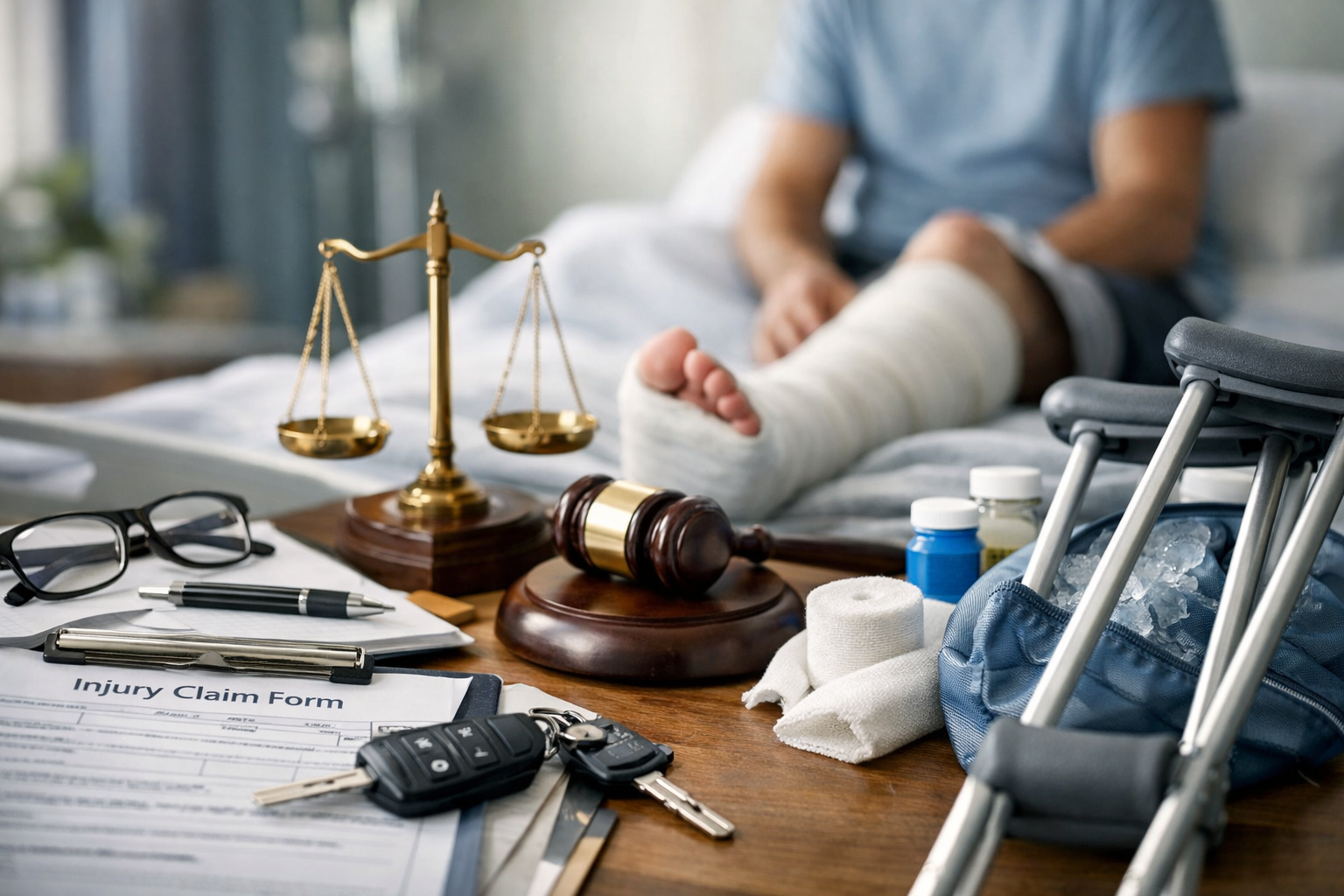
Personal injury is a broad area of civil law focused on situations where a person is harmed because another party acted negligently, recklessly, or intentionally. The goal of a personal injury claim is usually twofold: to help the injured person recover financially from losses caused by the incident and to hold the responsible party accountable. Unlike criminal cases, personal injury matters typically involve private disputes where the injured person (the plaintiff) seeks compensation from the at-fault person, business, or insurer (the defendant).
Most personal injury claims are rooted in negligence, meaning a party failed to use reasonable care under the circumstances. To succeed, a claimant generally must show that the responsible party owed a duty of care, breached that duty, and caused damages as a result.
Personal injury claims arise in many everyday contexts. While each case depends on local laws and specific facts, several categories appear frequently.
Your actions immediately after an accident can affect both your health and any future claim. Prioritize safety and documentation.
Seek emergency treatment if needed and follow up with a healthcare provider. Early evaluation can identify hidden injuries (such as concussions or internal trauma) and creates medical records that connect your condition to the incident.
Depending on where it occurred, report to the police, a property manager, an employer, or another appropriate authority. Ask for a copy of any report or the report number.
Avoid admitting fault or speculating about what happened. Provide factual information. If an insurer contacts you, remember that recorded statements can be used to challenge your claim.
Maintain a folder with medical bills, prescriptions, appointment notes, missed work documentation, and any out-of-pocket costs (transportation, assistive devices, home modifications). A brief journal about pain levels and daily limitations can also be helpful.
In personal injury cases, compensation is typically intended to make the injured person “whole” as much as money can. Damages vary by jurisdiction, insurance coverage, and the severity of harm, but they often fall into these categories:
Some cases may allow compensation for disfigurement, disability, loss of consortium, or—less commonly—punitive damages when conduct was especially egregious. Caps, thresholds, and rules differ widely by state or country, so local guidance matters.
Many claims resolve through insurance negotiations, but understanding the typical timeline helps set expectations.
Evidence is gathered to determine fault and causation: accident reports, medical records, photographs, surveillance video, witness statements, and expert opinions (accident reconstruction, medical experts, engineers).
A demand package may summarize the facts, outline legal responsibility, and document damages. Insurers often respond with questions or a counteroffer. Negotiations can take time, especially when treatment is ongoing and future medical needs are uncertain.
If settlement is not reached, a lawsuit may be filed before the statute of limitations expires. Litigation includes discovery (exchange of evidence), depositions, motion practice, mediation, and potentially trial. Even after filing, many cases still settle before a courtroom verdict.
If you are found partially responsible, compensation may be reduced—or in some places barred entirely—depending on the jurisdiction’s fault rules.
Having a prior injury does not automatically defeat a claim. However, the focus will be on what changed after the incident and whether the event aggravated an existing condition.
Even strong claims can be constrained by policy limits. Identifying all potentially liable parties and coverages can be important, such as employer policies, umbrella coverage, or third-party liability.
Not every injury requires an attorney, but legal advice can be valuable when injuries are serious, fault is disputed, the insurer challenges medical causation, or future care and lost earning capacity are significant. A lawyer can manage evidence, communicate with insurers, calculate damages, meet deadlines, and prepare for litigation if needed.
Personal injury law exists to help injured people recover from preventable harm—physically, financially, and emotionally. By seeking timely medical care, documenting what happened, and understanding how claims are evaluated and resolved, you put yourself in a stronger position to navigate the process and pursue fair compensation.