Find Lawyers, Law Firms and other Law Service Providers in your region. Or submit a provider to our directory.
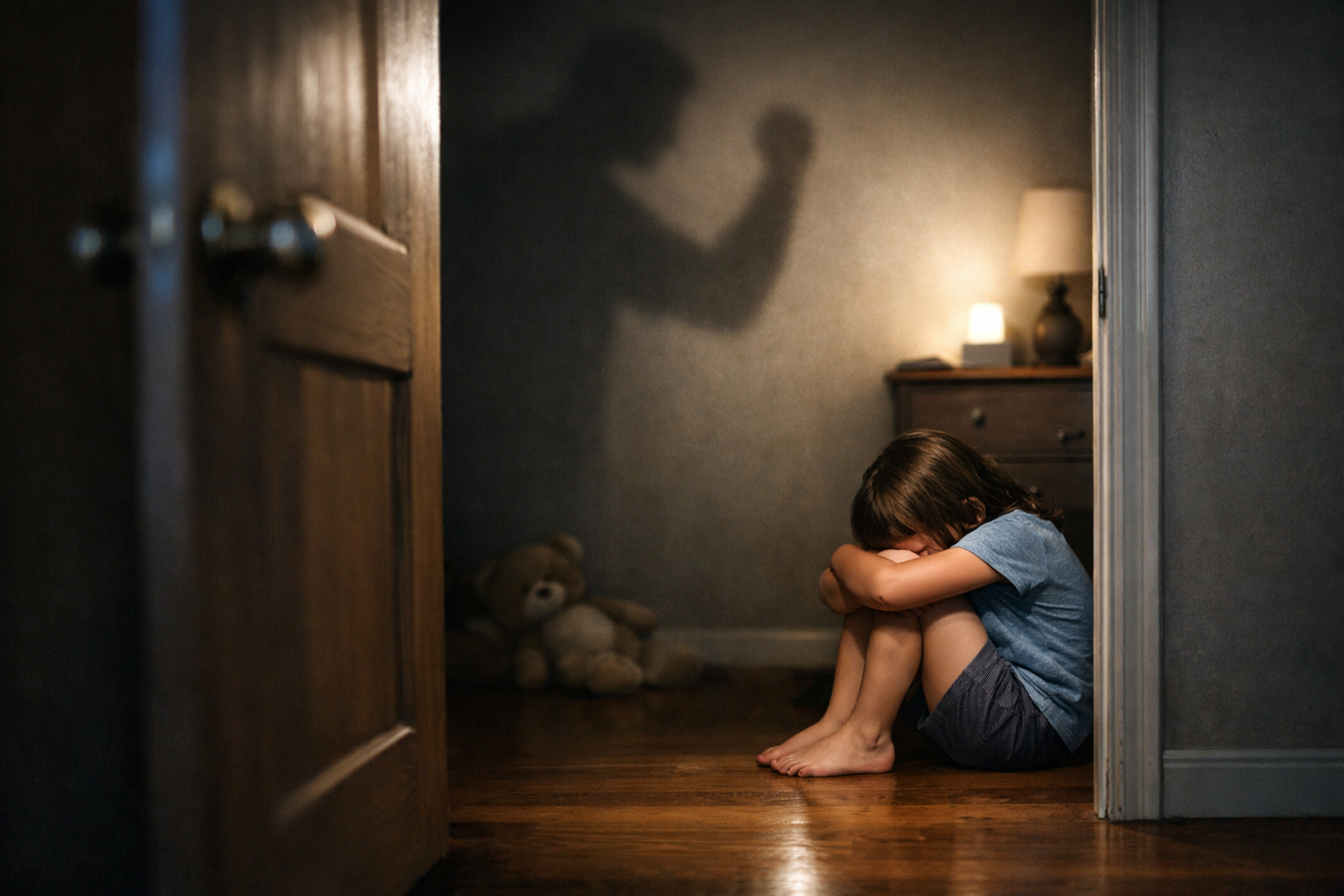
Child abuse refers to actions (or failures to act) by a parent, caregiver, or another responsible person that cause harm, risk of harm, or threat of harm to a child. It is not limited to visible injuries. Abuse can be emotional, sexual, or rooted in neglect, and it can occur in homes, schools, sports programs, faith communities, online spaces, and other settings where adults hold power over children.
Because children depend on adults for safety and basic needs, abuse disrupts development at a foundational level. Early trauma can affect the brain and stress-response systems, making it harder for a child to regulate emotions, trust others, learn effectively, and feel secure. Recognizing child abuse as both a public health issue and a human rights issue is essential for prevention and accountability.
Child abuse is commonly grouped into several categories. Understanding these distinctions can help caregivers and community members recognize situations that require immediate attention.
Physical abuse involves the intentional use of force that results in injury or potential injury. It may include hitting, shaking, burning, choking, or using objects to cause harm. Some injuries are obvious, but others are hidden under clothing or explained away with unlikely stories.
Emotional abuse includes behaviors that harm a child’s self-worth, security, and emotional well-being. This may involve constant criticism, humiliation, threats, rejection, intimidation, or exposing a child to chronic conflict and hostility. Emotional abuse is often minimized because it leaves no bruises, yet it can be deeply damaging.
Sexual abuse includes any sexual activity with a child, including contact abuse (such as molestation) and non-contact abuse (such as exposing a child to sexual acts, grooming, sextortion, or showing sexual content). Exploitation can involve child sexual abuse material, trafficking, or coercing a child into sexual acts for money, favors, or status. Grooming often occurs gradually, with an abuser building trust, isolating the child, and testing boundaries.
Neglect is the failure to meet a child’s basic physical, emotional, educational, or medical needs. It can include inadequate supervision, lack of food or safe shelter, ignoring medical needs, or persistent absence of emotional responsiveness. Neglect may stem from caregiver stressors, substance use, untreated mental health conditions, poverty-related hardship, or limited support systems—but regardless of cause, a child’s needs remain urgent.
No single sign proves abuse, and some children show few outward clues. Still, patterns of behavior and unexplained injuries or changes deserve careful attention.
Adults should also notice situational red flags: a caregiver who isolates a child, demands secrecy, uses harsh and degrading discipline, or is frequently intoxicated while responsible for supervision.
Child abuse can affect health and well-being long after the abuse stops. Some children experience immediate injuries or acute distress; others may internalize the harm and struggle later.
It is equally important to note that healing is possible. With protective adults, trauma-informed support, and stable environments, many children can recover and thrive.
Abuse is never the child’s fault, and it is never justified. Understanding risk factors helps communities target prevention and support families before harm occurs.
Prevention works best when it reduces stress on families and increases safety nets—rather than placing all responsibility on a single parent or expecting children to protect themselves.
If you believe a child may be in danger, treat it as a safety issue, not a private family matter. Your response can reduce harm and connect the child to protection and care.
Support should be consistent, respectful, and trauma-informed. Children benefit from predictable routines, emotional validation, and choices that restore a sense of control. Professional services—such as pediatric care, counseling, and evidence-based trauma therapies—can address both immediate and long-term needs.
Communities also play a role: schools can provide safe reporting pathways, youth programs can strengthen supervision standards, and workplaces can support caregivers with family-friendly policies. Preventing child abuse is not only about responding to crisis—it is about building environments where children are valued, heard, and protected.
Child abuse can be hidden, complex, and painful to confront, but it is also preventable and addressable. Understanding the forms of abuse, recognizing warning signs, and knowing how to respond responsibly can save lives and change futures. When adults act early—by reporting concerns, strengthening family supports, and creating safer institutions—children gain what they deserve most: safety, dignity, and the chance to grow without fear.